From 1 January 2027, Slovakia’s rules for constructing small structures near private homes will change. The changes are set out in amendments to the country’s construction legislation, which have already been approved by parliament.
What Can Be Built Without a Full Design
Small structures include, among other things, gazebos, shelters, sheds, summer kitchens and detached garages with a floor area of up to 50 sq. m and a height of up to 5 m. This category also covers fences, retaining walls, certain swimming pools, rainwater tanks and other small structures.
From January, for such structures that are not classified as buildings and do not affect load-bearing structures, a full architectural or engineering design will no longer be required. Instead, the following will be sufficient:
- a simple drawing;
- a site plan showing the structure’s location on the cadastral map and the distances from the property boundaries;
- a technical description;
- manufacturer’s documentation if a prefabricated structure is used.
For example, for a detached gazebo or shelter on a private plot, the owner will be able to prepare the required documents themselves.
When Approval Will Be Required
It is important to note that the absence of a requirement for a designer does not mean that a structure can be built without notifying the municipality.
A notification of construction will be required if the structure is located less than two metres from the property boundary, is situated in a public space, is assigned a registration number, or falls under other cases specified by law.
A fence built directly on the property boundary will also have to be notified to the municipality, although no design will be required — a simple drawing will be sufficient. At the same time, from January, a gazebo located more than two metres from the property boundaries will not have to be notified, provided all other conditions are met.
Exceptions will apply to protected and historic areas, utility protection zones, certain water-protection areas and other special zones.
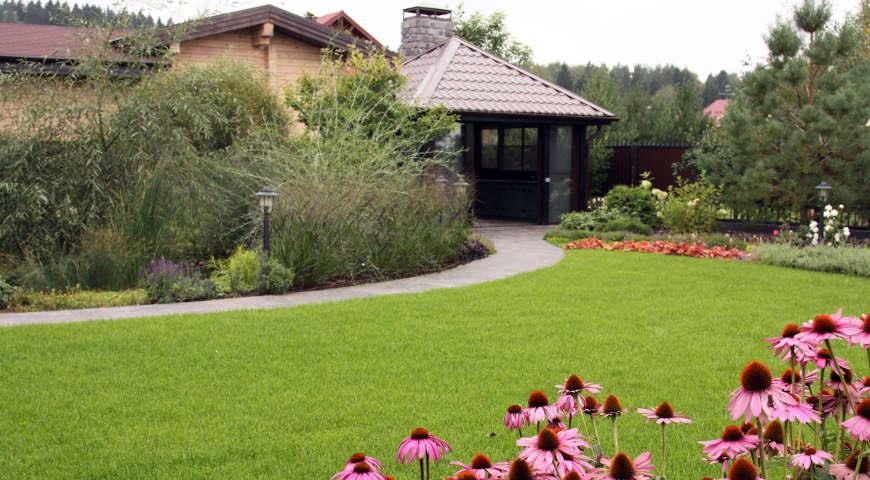
Garden Sheds and Fences
An important change concerns structures that are classified as buildings. For example, a garden house, shed or garage with a foundation will continue to be considered a building and will require notification. If a structure is connected to electricity, water or sewage, a design may also be required depending on its characteristics. Likewise, if a shelter is attached directly to a house and affects its load-bearing structure, a designer will still be required.
For complex structures, the building authority may require a technical assessment or a simplified design — for example, for a large brick garage, a retaining wall on a slope or an underground swimming pool.
The rules for fences are also changing. Currently, different height restrictions apply to solid and see-through fences. Once the amendments take effect, a single limit of 2 metres from the adjacent ground level will apply.
The municipality will have 30 days to review a notification for small-scale construction. If no decision is made within the statutory period, a mechanism for automatic confirmation of consent provided for by law will take effect.
Illegal Structures
The amendments introduce new options for legalising certain structures built without the required permission or in violation of the rules. For structures built before 31 March 2025, the deadline for applying for additional approval or confirmation that the structure may be used will be extended until 31 December 2040.
Separate rules will apply to newer illegal structures built between 1 April 2025 and the end of 2026.
At the same time, some fines will increase. For example, the minimum penalty for failing to have a required design or for building in deviation from the design will increase from €30 to €300. The maximum fine in such cases will remain €15,000.
The amendments will also change the procedure for putting buildings into use. Some structures will be allowed to be approved for use in stages, while decisions on occupancy certificates will no longer be subject to appeal.


