From 1 July, Slovakia has launched the pilot version of its National Integrated Ticket (NICL), a system that combines travel on trains, intercity buses and urban public transport. The government expects the new platform to eliminate the need for passengers to purchase multiple tickets or use different applications when travelling across the country, as reported by TOUCHIT.
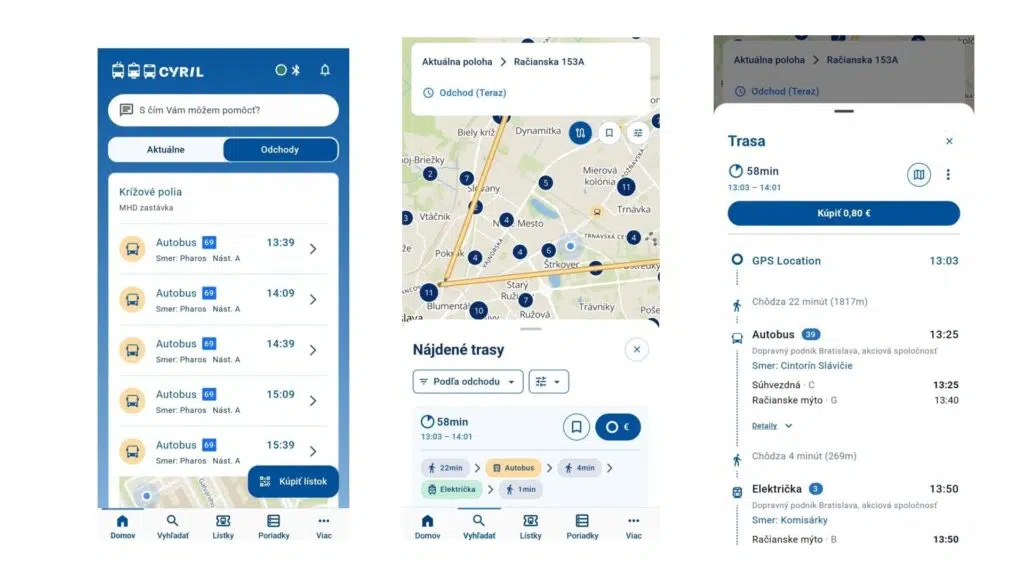
The system is built around the CYRIL mobile application, which allows users to plan journeys, purchase a single ticket and pay for the entire trip in one transaction. The platform currently includes 39 transport operators working under state and regional contracts, including the national railway operator Železničná spoločnosť Slovensko (ZSSK).
When searching for a route, the application automatically combines different modes of transport, calculates the total fare for the journey and issues a single digital ticket. After payment, the system automatically distributes the revenue among the participating operators.
The new system currently covers domestic travel within Slovakia only. International routes, as well as several commercial operators—including FlixBus and RegioJet—are not yet included. According to Slovak media, Leo Express will be the only commercial rail operator whose services will be available through the new platform.
The developers say the application can be used immediately after installation. It includes journey planning, ticket purchases, travel history and near real-time transport information, with data updated approximately every 10 seconds.
Dynamic QR Code Replaces Paper Tickets
The unified ticket is issued as a dynamic QR code that automatically refreshes every 15 seconds. This technology is designed to prevent passengers from sharing tickets by sending screenshots.
Two ticket validation methods are available. Android users will be able to validate their ticket via NFC by holding their phone against a terminal. Alternatively, passengers can present the QR code to an inspector or driver. For iPhone users, QR code validation is currently the only option, as NFC support is still awaiting approval from Apple.
To prevent passengers from purchasing a ticket after an inspection has already begun, urban public transport includes a short activation delay. After purchase, the ticket becomes valid only after approximately 90 seconds. During inspections, ticket inspectors will also be able to block the activation of new tickets for the current journey.
Automatic Selection of the Cheapest Fare Planned
In the second half of 2026, developers plan to introduce automatic fare optimisation for urban public transport.
Many buses and trams have already been equipped with Bluetooth beacons, which will detect when passengers board and leave the vehicle. At the end of the day, the system will automatically calculate the lowest possible cost of all journeys made, selecting the cheapest option—whether individual tickets or a day pass.
Artificial intelligence tools will also be integrated into the application. They will help users navigate the service, suggest optimal routes and answer questions. In addition, anonymised travel data will be analysed to optimise timetables and support the further development of public transport.
€18 Million Project
Development of the system took around 16 months. According to the developers, the final cost was approximately €4 million lower than the original estimate in the public tender. The platform was developed by Asseco Central Europe, while financial settlement between transport operators will be handled by Slovenská pošta.
The project nevertheless attracted criticism from the opposition during its development. Representatives of the Progressive Slovakia party argued that the approximately €18 million contract for the IT system was excessively expensive and called for the procurement process to be reviewed. However, the Supreme Audit Office of Slovakia has not launched a separate investigation, although it has included the project among potential risks for future audits.
The government emphasises that the launch of the unified ticket is one of Slovakia’s commitments under the EU Recovery and Resilience Plan. Officials expect that simplifying ticket purchases will make public transport more attractive and help reduce the use of private cars.
The government also describes NICL as the first national integrated ticketing system of this scale among the Visegrád Group countries. The platform is currently operating in pilot mode, while a nationwide public information campaign will begin on 15 July. If the project proves successful and additional transport operators join the system, it could become the largest reform of public transport in Slovakia in decades.


